 Nervous system
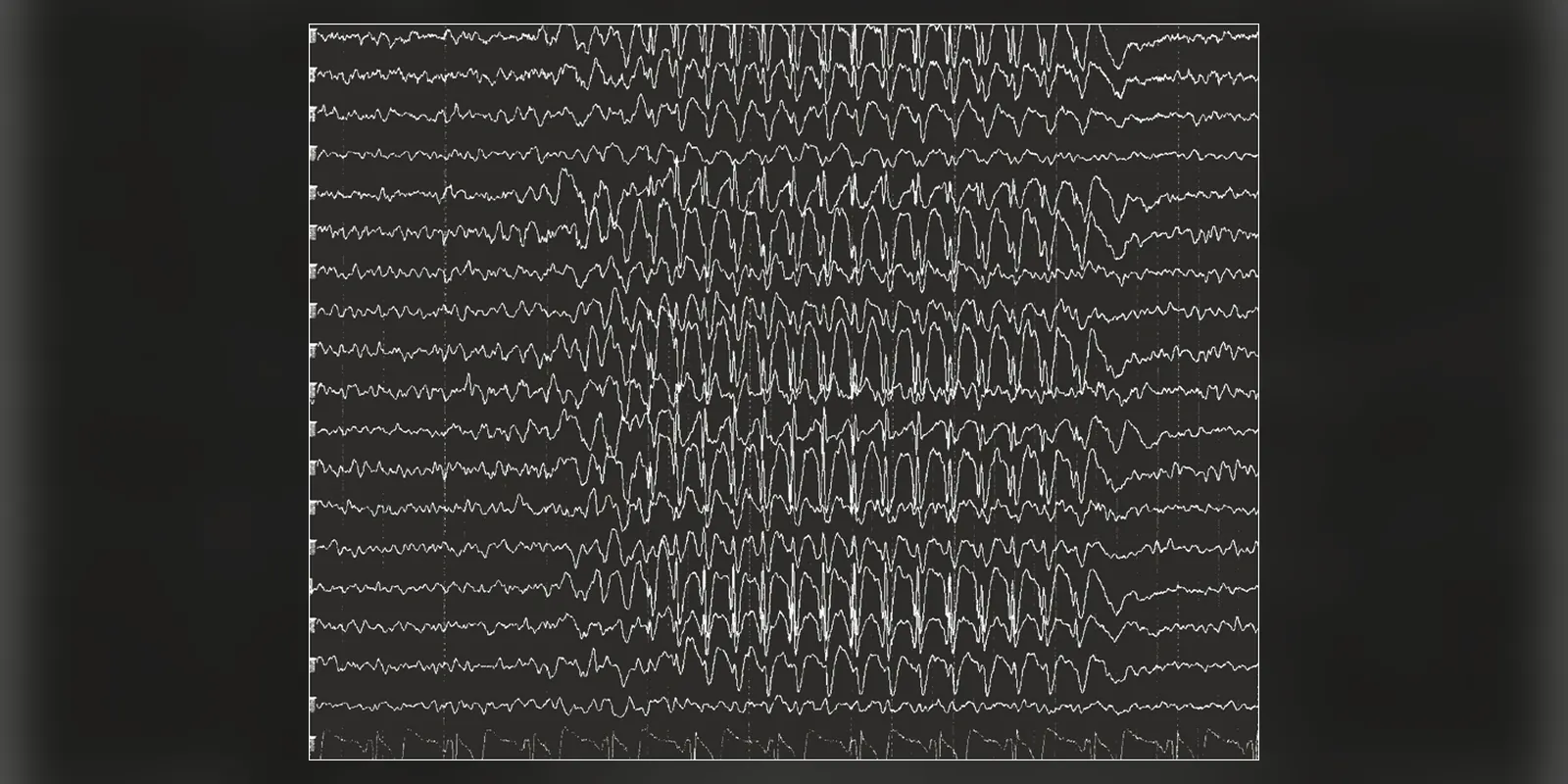
Absence seizures
Non-infectious · Chronic
Brief episodes of blank staring caused by sudden bursts of abnormal brain activity, most common in children.


GeoMed · Disease encyclopedia
Causes, symptoms, diagnosis, treatment approaches and prevention for common conditions. Browse A–Z, by body system, or search.
Nervous system
Non-infectious · Chronic
Brief episodes of blank staring caused by sudden bursts of abnormal brain activity, most common in children.
 Endocrine system
Non-infectious · Chronic
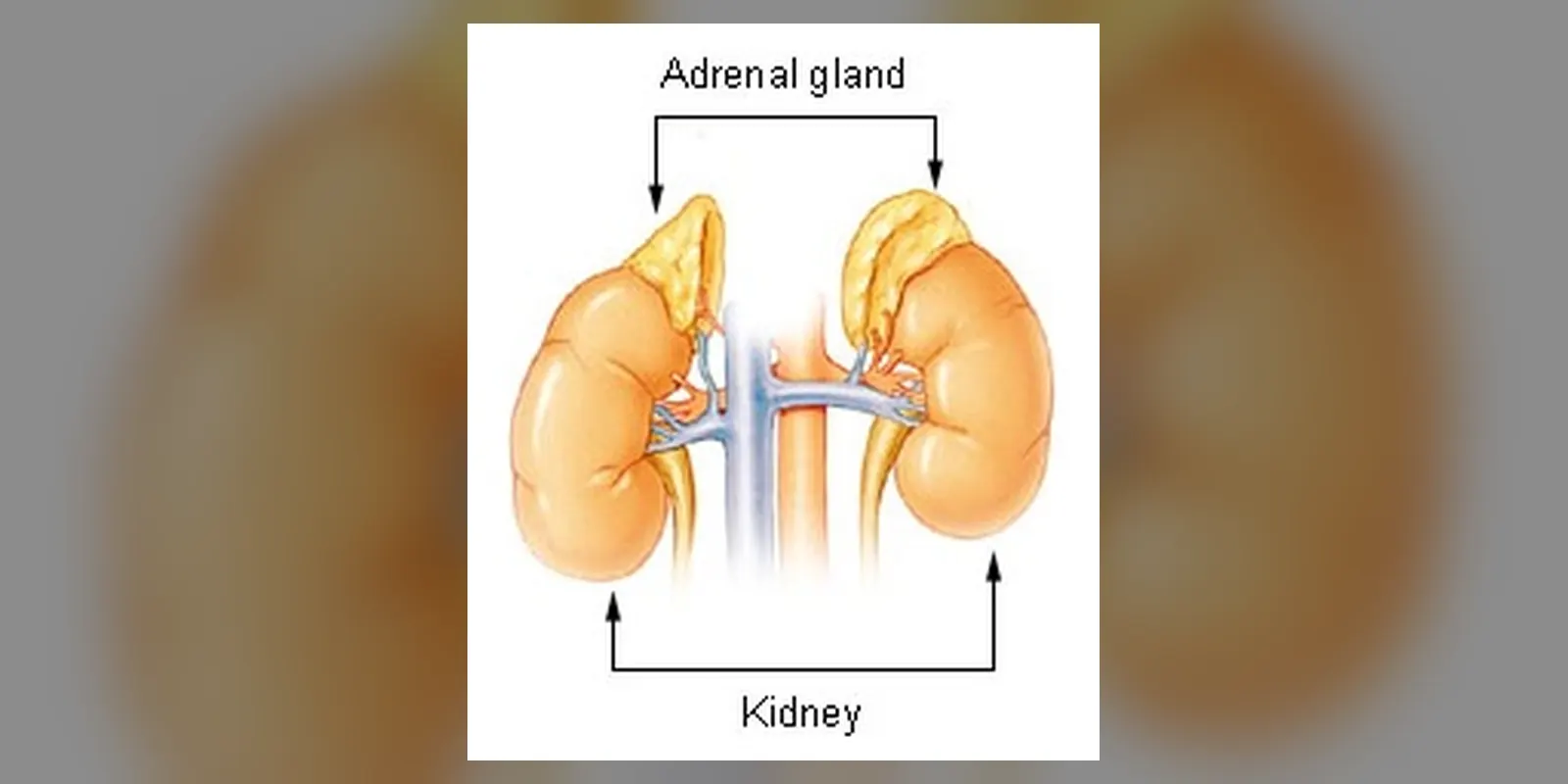
A lack of cortisol caused by the pituitary or hypothalamus not stimulating the adrenal glands, often after long-term steroid use.
 Nervous system
Infectious · Chronic
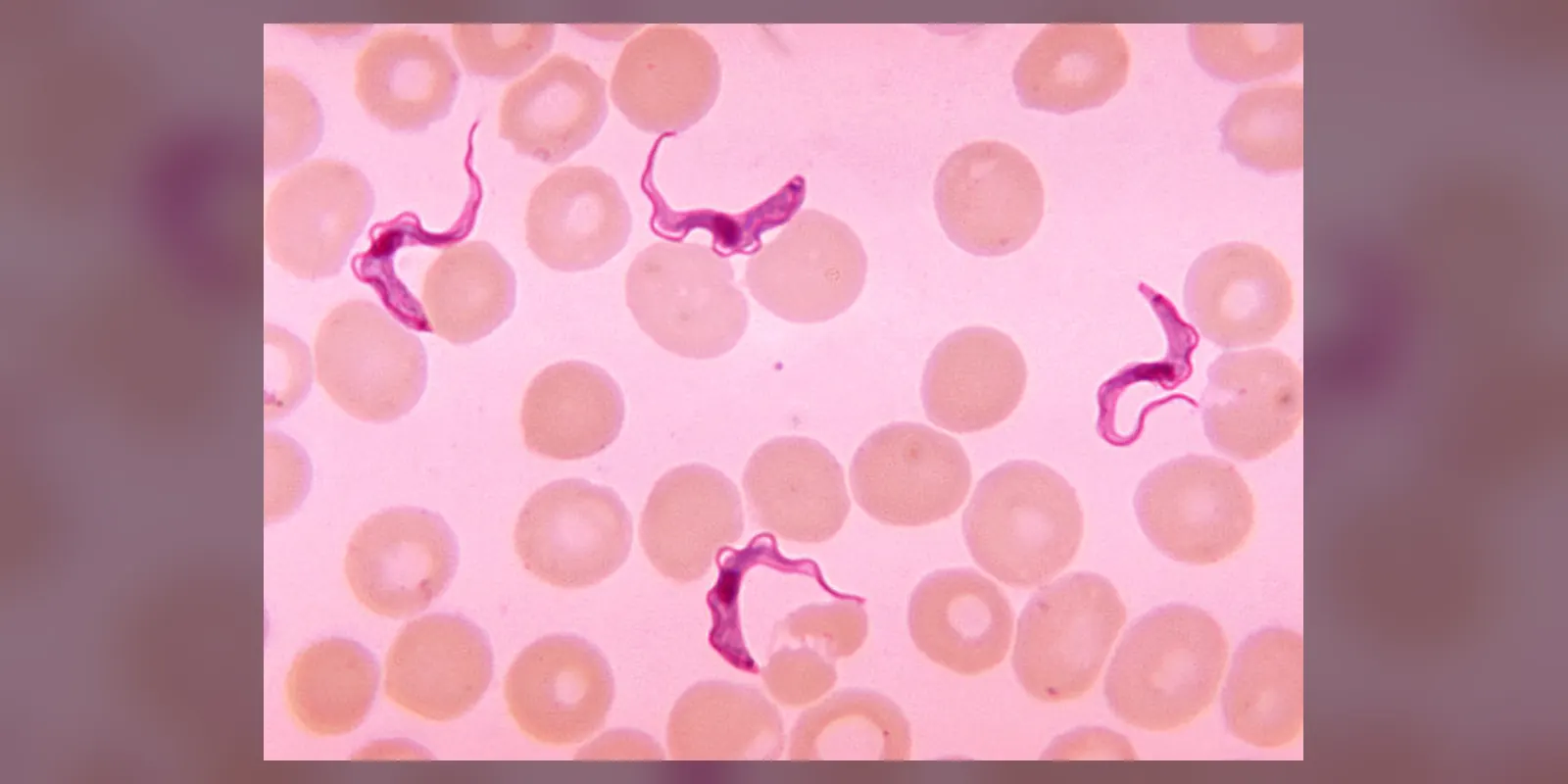
A parasitic infection spread by tsetse flies in sub-Saharan Africa, which can invade the brain and is fatal without treatment.
 Ear, nose and throat
Non-infectious · Chronic
The gradual loss of hearing in both ears that happens with ageing, especially for high-pitched sounds.
 Eyes and vision
Non-infectious · Chronic
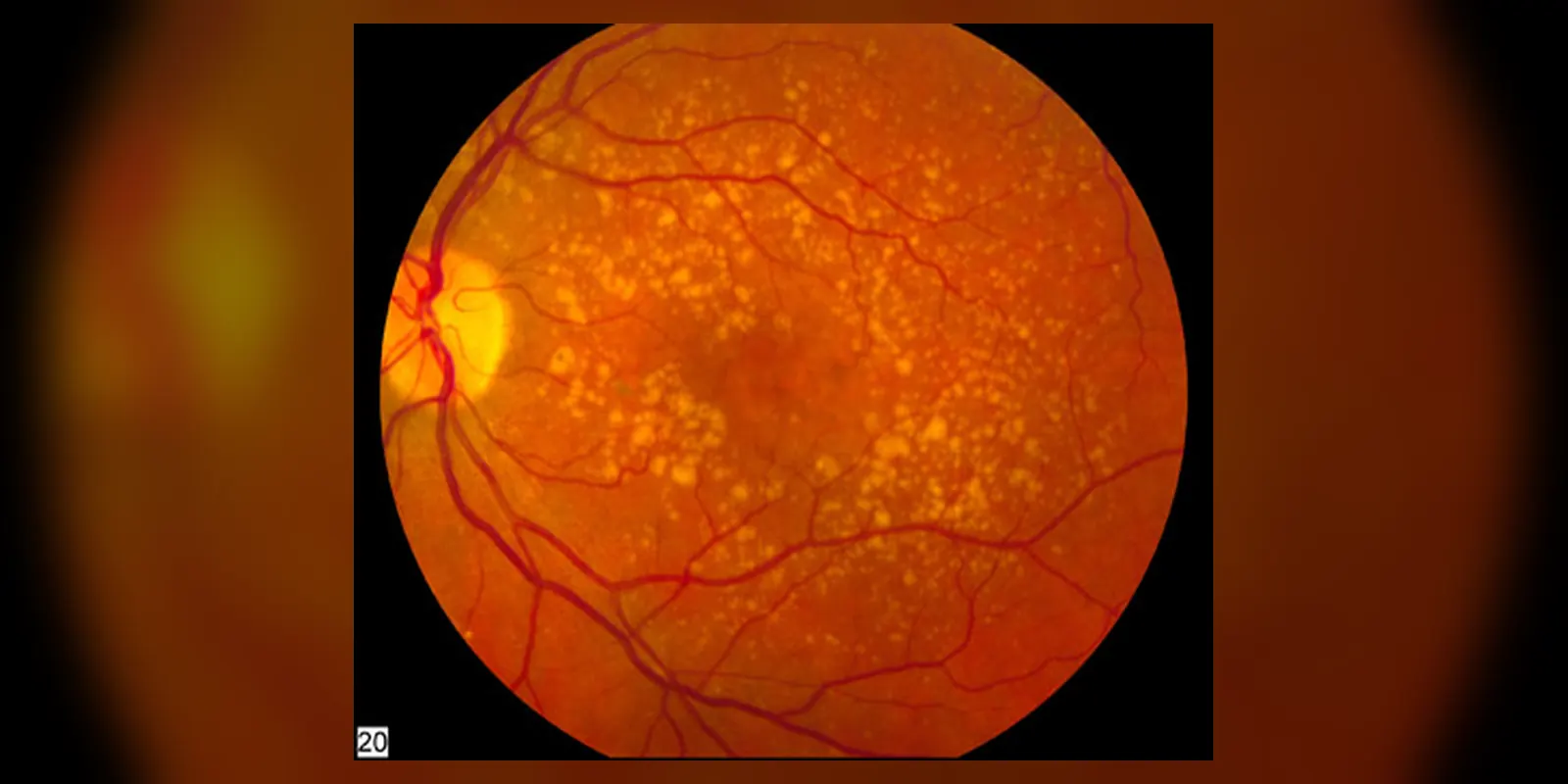
A common eye condition in older adults that damages the macula, causing loss of central vision.
 Digestive system
Non-infectious · Chronic
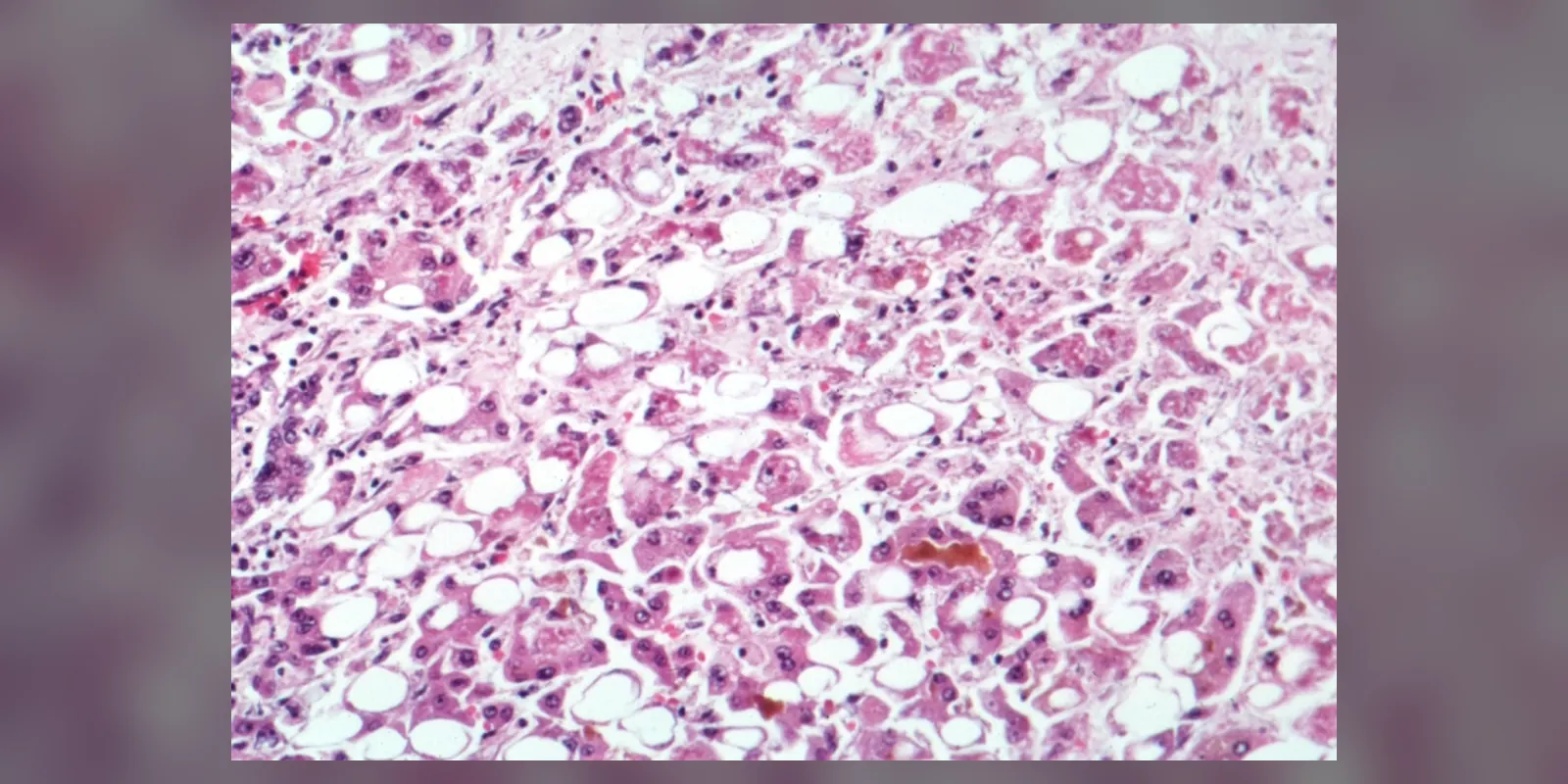
Liver damage caused by drinking too much alcohol over time, progressing from fatty liver to hepatitis and cirrhosis.
 Digestive system
Non-infectious · Chronic
A medical condition in which a person has difficulty controlling their drinking despite harm to their health, relationships or responsibilities.
 Immune system
Non-infectious · Chronic
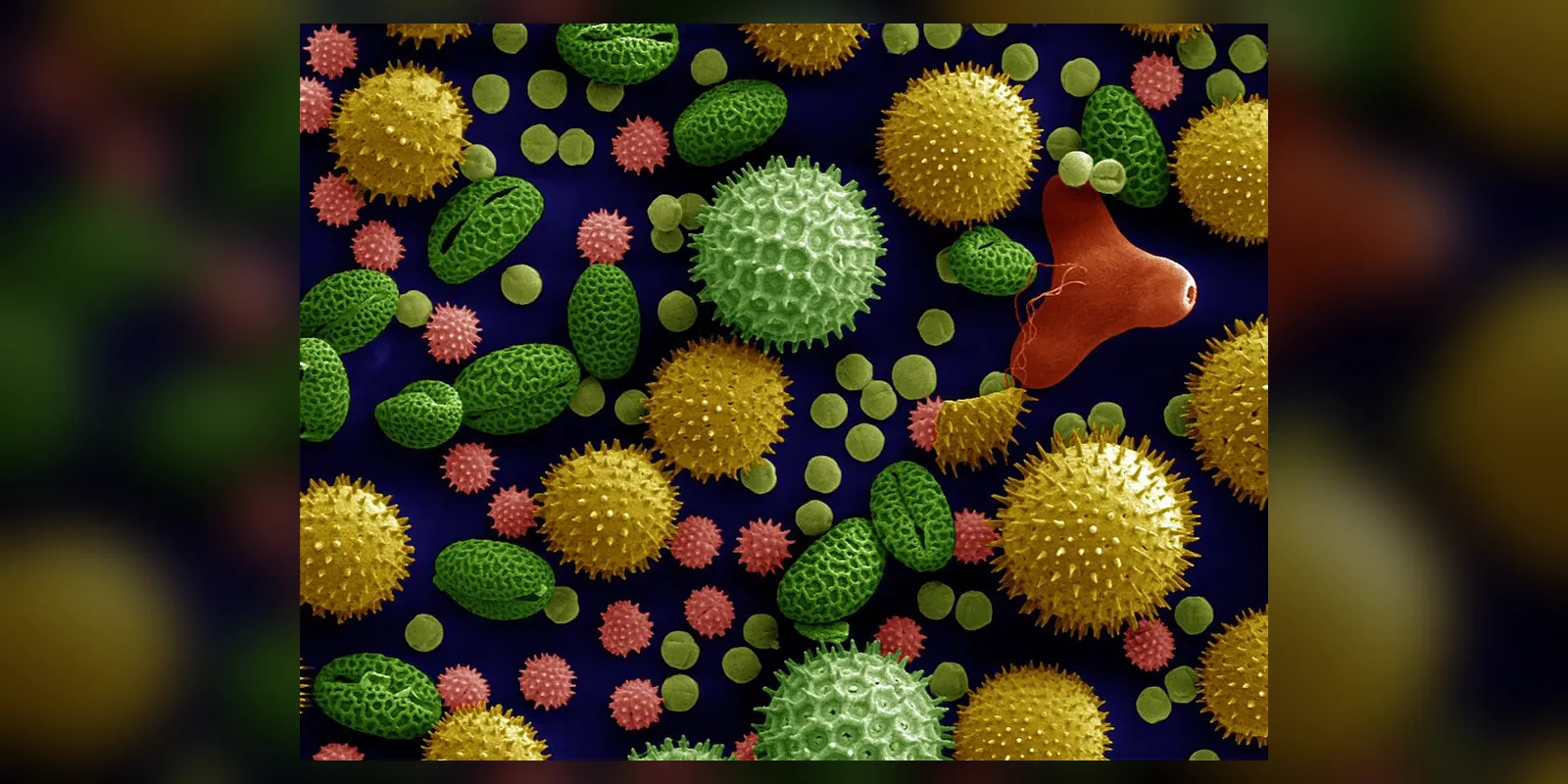
An allergic reaction in the nose causing sneezing, a runny or blocked nose and itching, often triggered by pollen or dust mites.
 Respiratory system
Non-infectious · Chronic
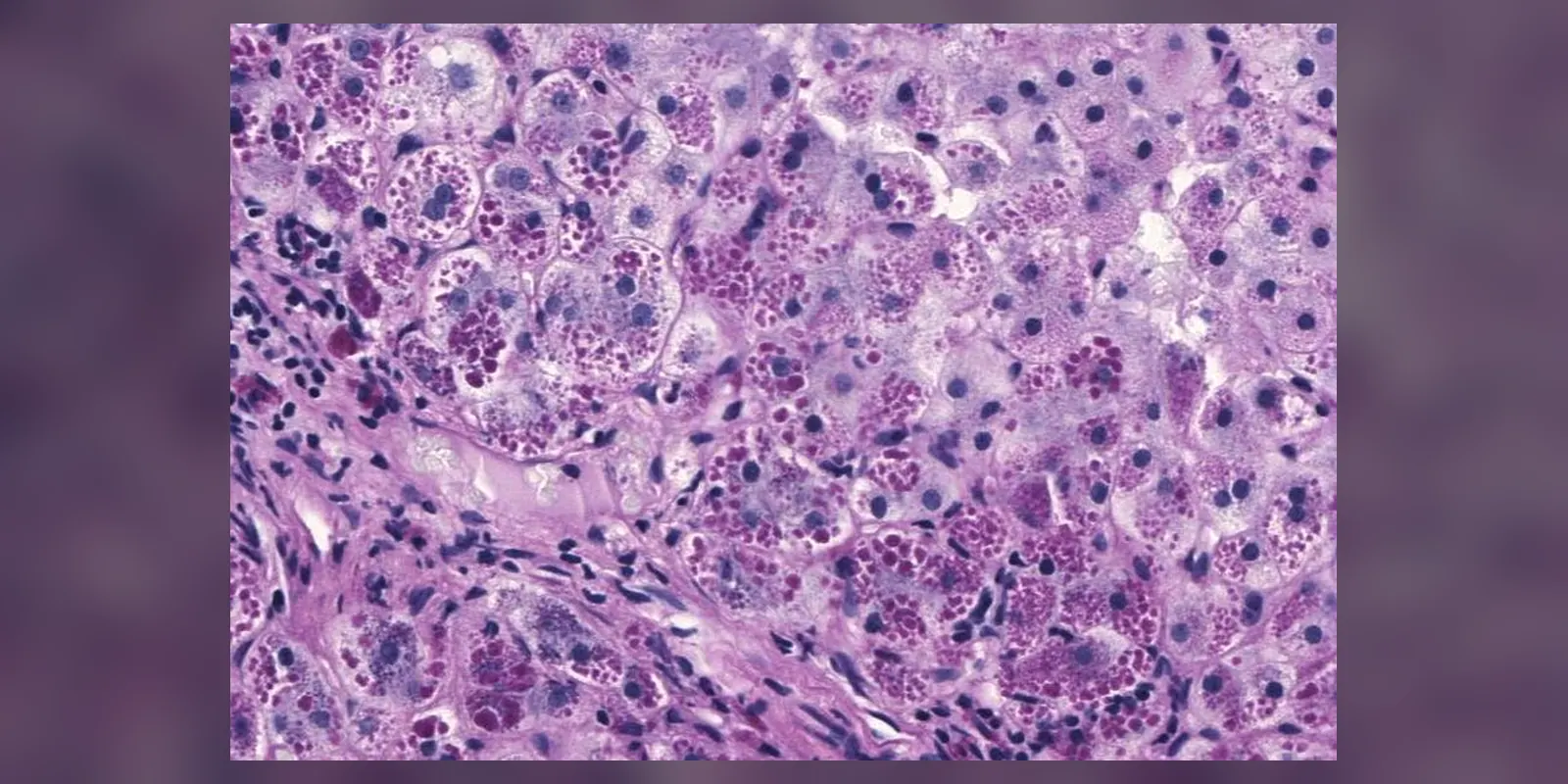
An inherited condition in which low levels of a protective protein lead to lung damage (emphysema) and sometimes liver disease.
 Urinary system
Non-infectious · Chronic
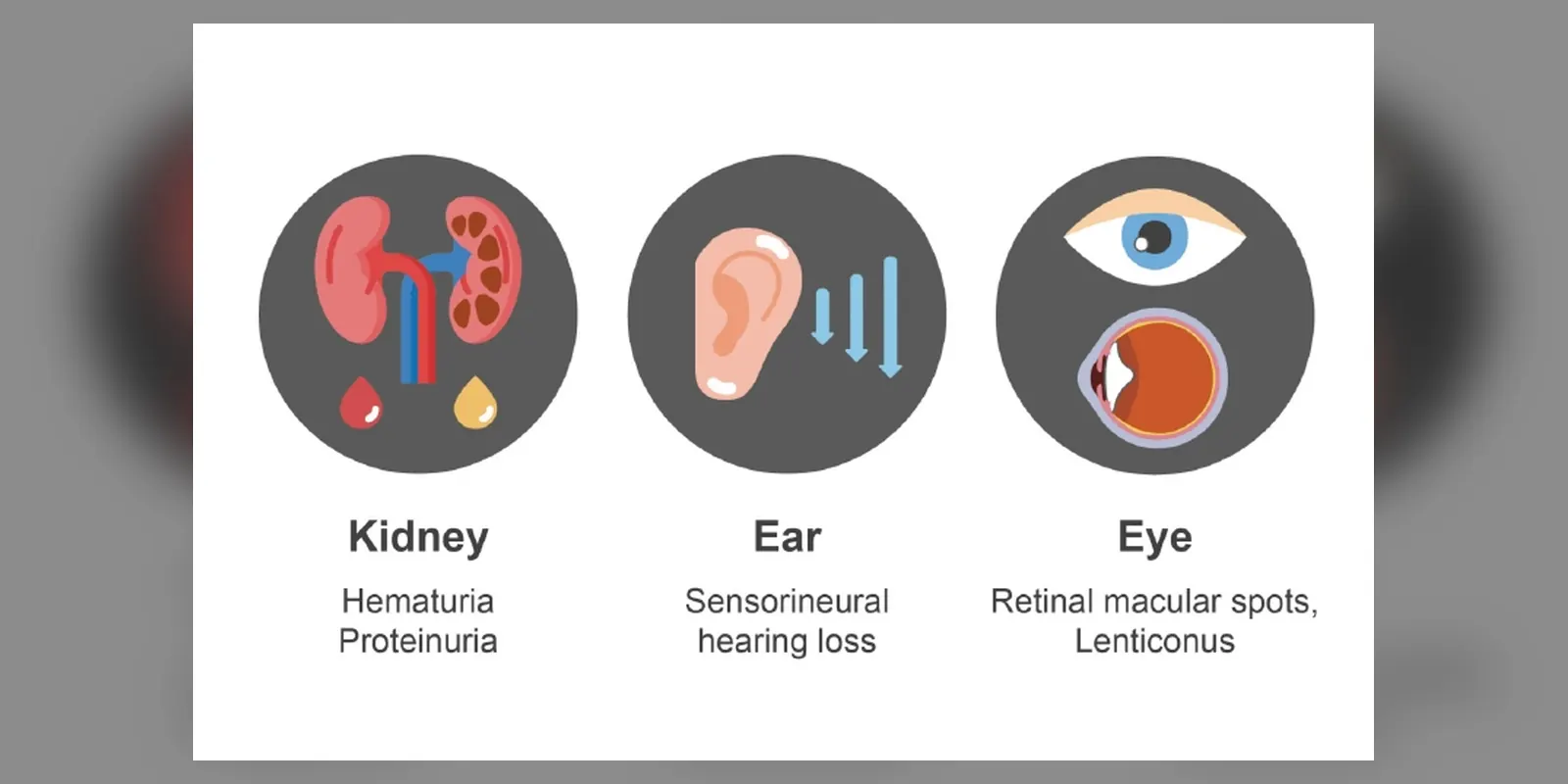
An inherited condition affecting a type of collagen in the kidneys, ears and eyes, causing kidney disease and hearing loss.
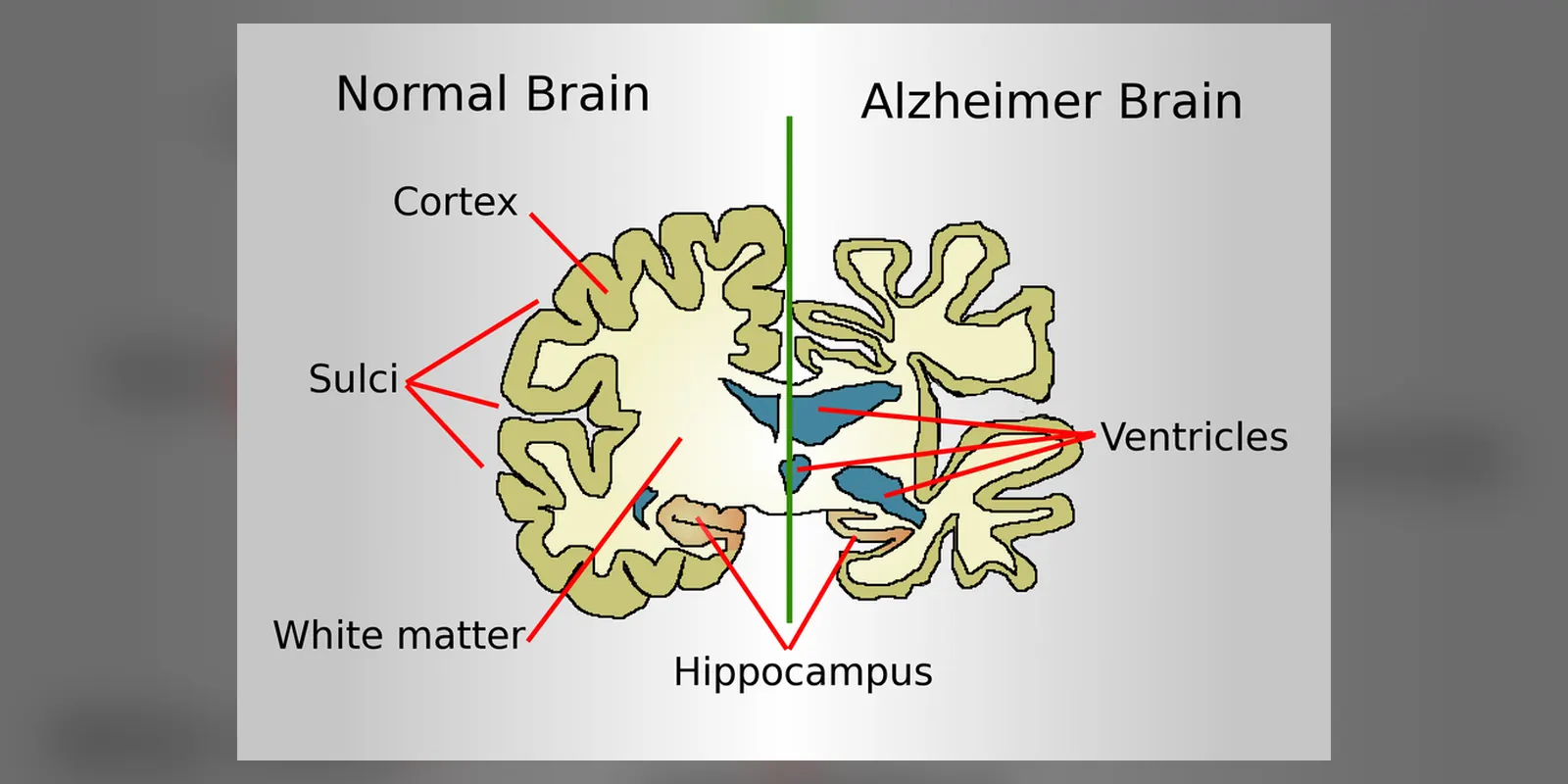 Nervous system
Non-infectious · Chronic
The most common cause of dementia, a progressive brain disease that gradually affects memory, thinking and daily abilities.
 Eyes and vision
Non-infectious · Chronic
Reduced vision in one eye that develops in childhood because the brain and eye are not working together properly.
Non-infectious · Chronic
Absence of periods, either because they never started by age 15 or because they stopped for three months or more.
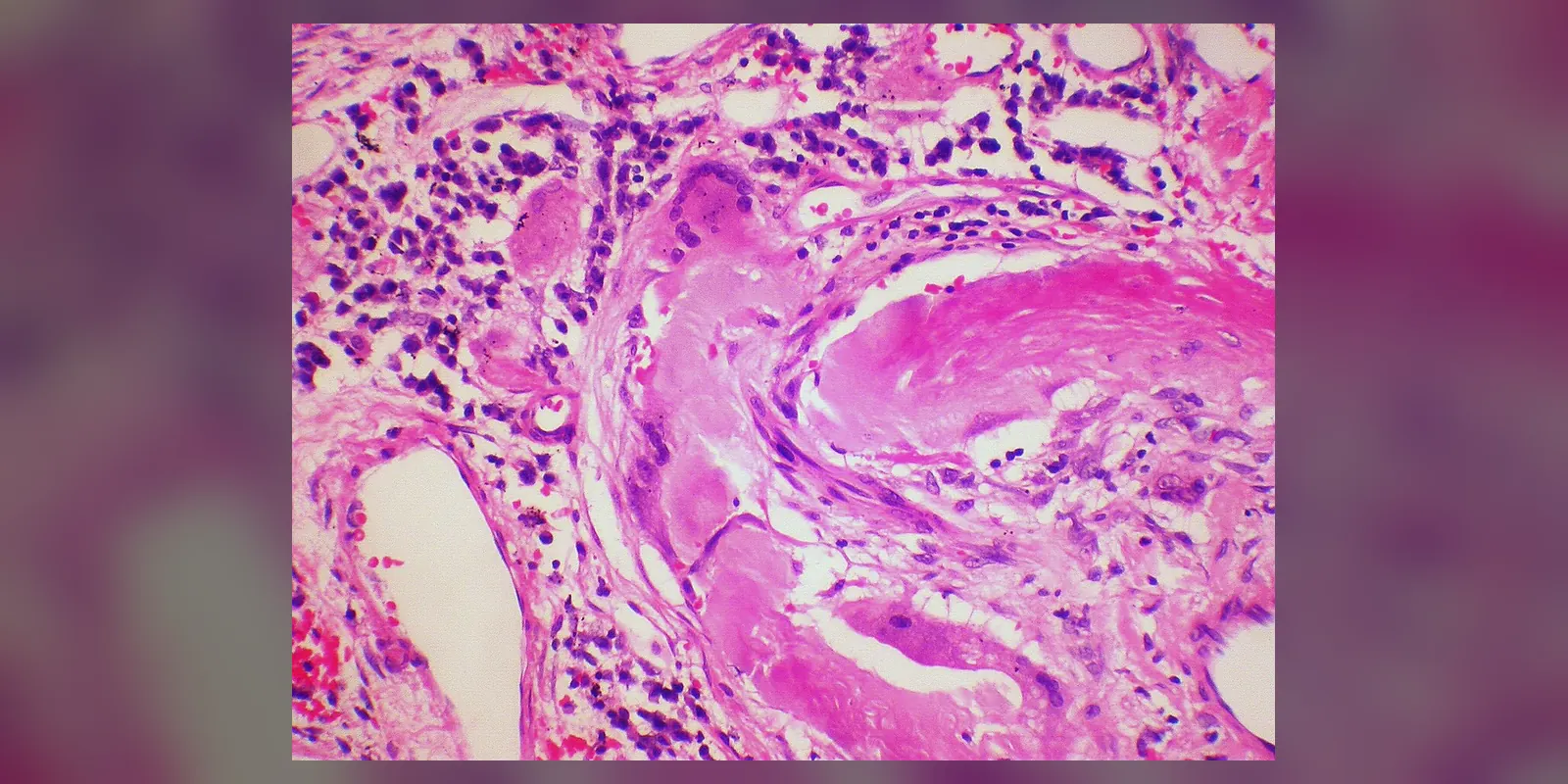 Blood (haematology)
Non-infectious · Chronic
A group of rare conditions in which abnormal proteins called amyloid build up in organs and tissues, affecting how they work.
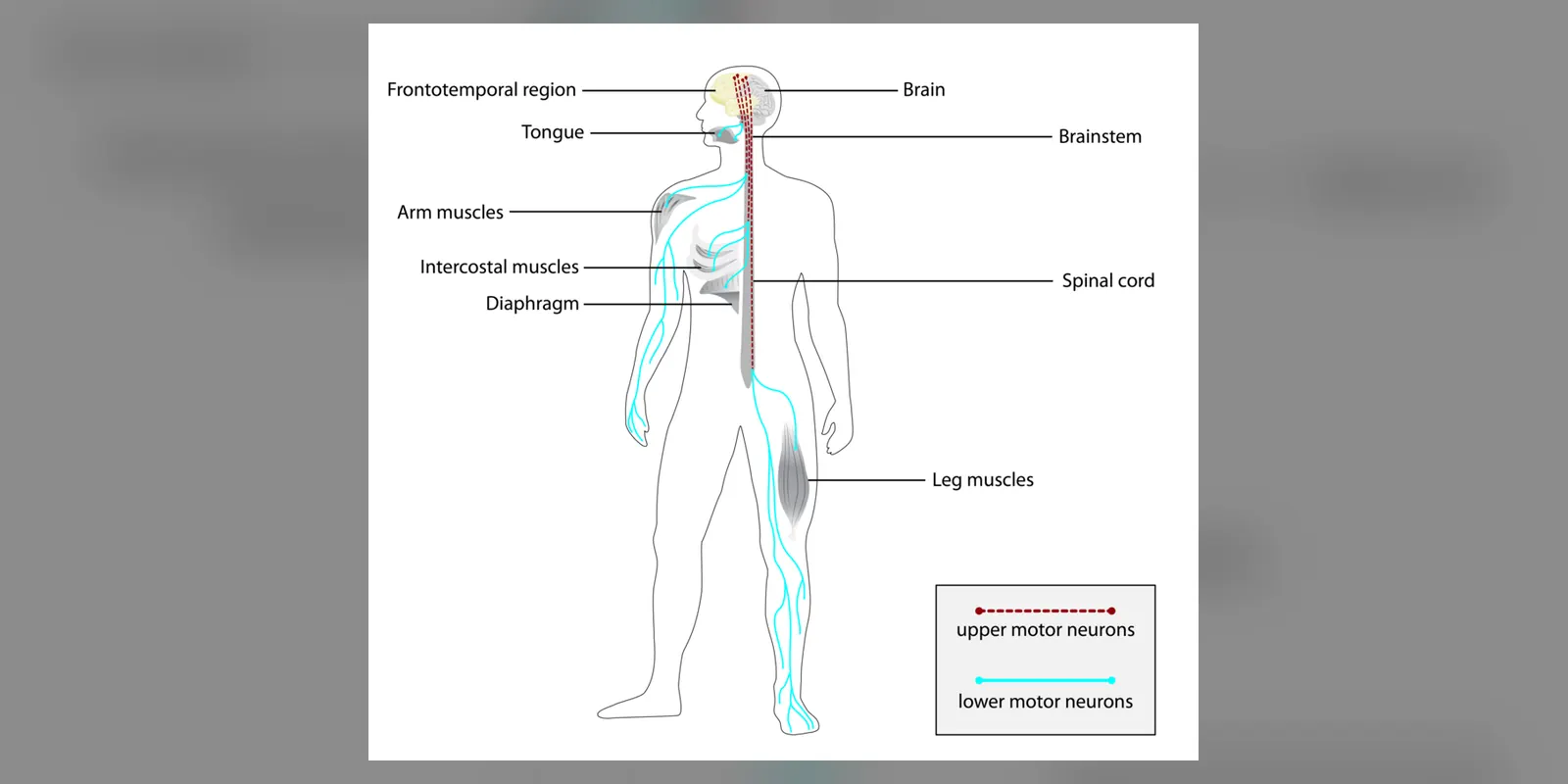 Nervous system
Non-infectious · Chronic
A progressive disease of the nerves that control muscles, causing increasing weakness, difficulty speaking, swallowing and breathing.
 Blood (haematology)
Non-infectious · Chronic
Imagine feeling exhausted all the time, no matter how much sleep you get. You might think it's stress or just part of life, but for millions of people worldwide, it could be anemia. In fact, the World Health Organization estimates that over 1.6 billion people suffer from anemia, with iron-deficiency anemia being the most common. It's not just about feeling tired; it can lead to serious health issues if left untreated. This condition is more than just a minor inconvenience, it’s a signal from your body that something needs attention. Let’s dive into what anemia really is, its causes, symptoms, and how you can take action to prevent and treat it. Your health is too important to ignore!
Non-infectious · Chronic
A common type of anaemia caused by long-term inflammation, infection, cancer or kidney disease, which reduces the body's ability to use iron.
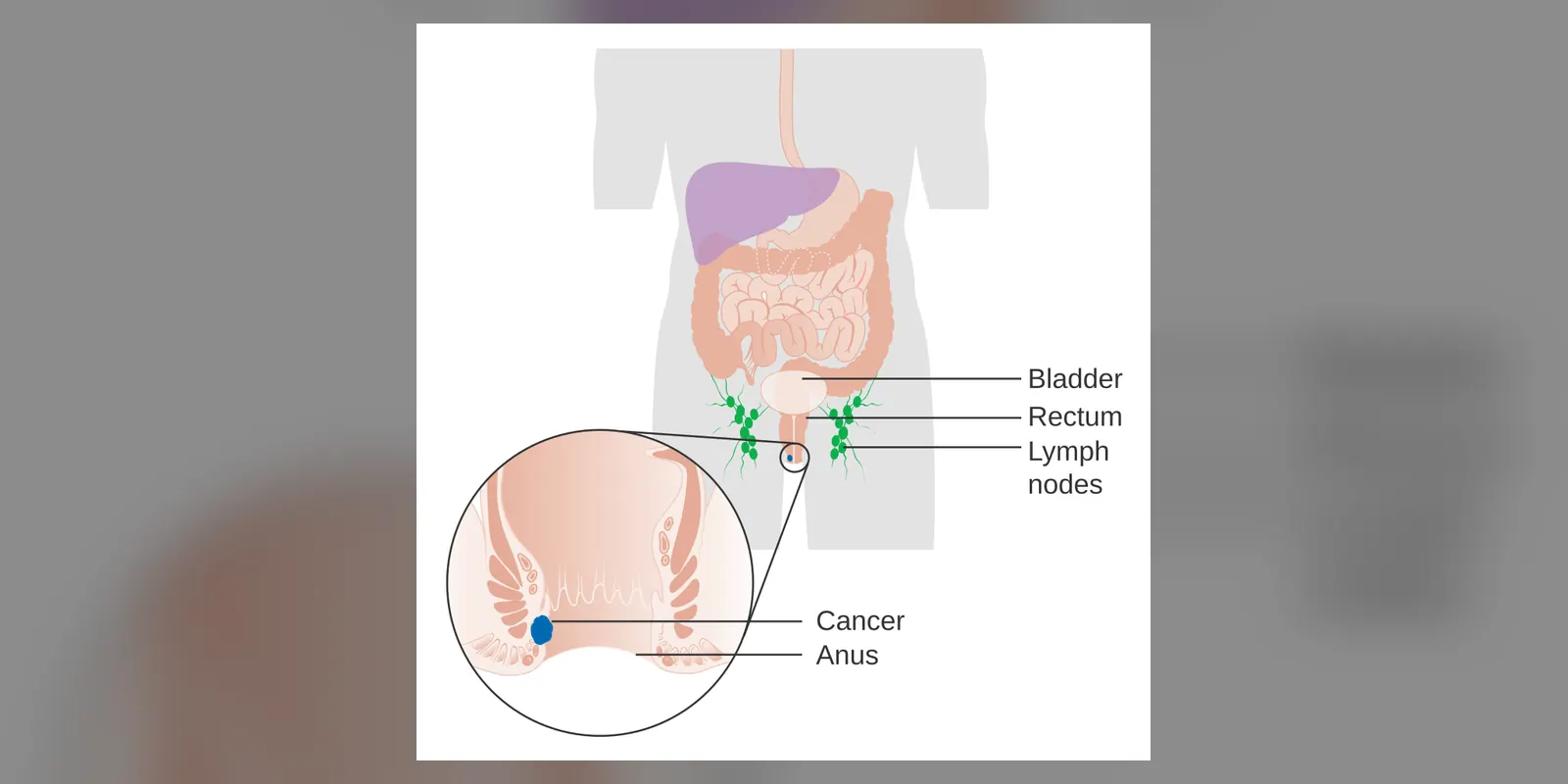 Digestive system
Non-infectious · Chronic
A rare cancer that starts in the tissues of the anus, most often linked to human papillomavirus (HPV) infection.

